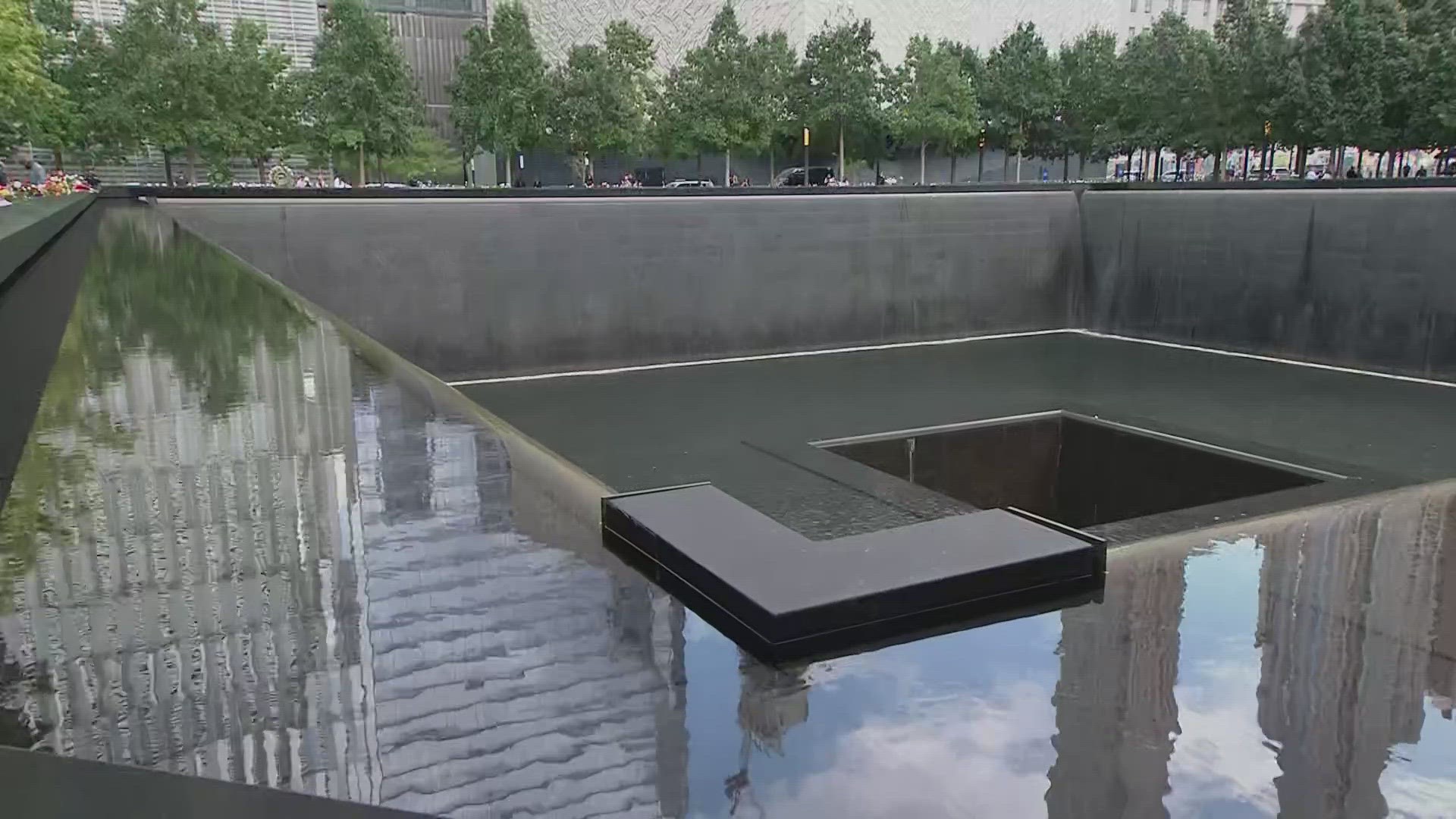
Eric Shawn, a veteran journalist who covered the aftermath of September 11, 2001, has shared his health struggles stemming from exposure at Ground Zero.
Shawn described breathing toxic air during the attacks when American Airlines Flight 11 passed low overhead and struck the World Trade Center’s North Tower. Minutes later, he rushed to the newsroom, reported what he saw, and began covering the wreckage. People recounted that Shawn experienced a thick haze of choking dust hanging over the site. Masks eventually arrived, but he said there was no real escape from the contaminated air.
By November 2001, an uncontrollable cough sent him to a doctor. What was casually called the “World Trade Center cough” became acute chronic bronchitis that troubled him for years. At one point, symptoms were so severe that Shawn required two prednisone injections within 72 hours. He also developed gastroesophageal reflux disease.
The problems did not end when the cough eased. Shawn later learned that the dust cloud contained a dangerous mixture of pulverized construction material and other contaminants, leaving those who worked at the site uncertain about what illnesses might emerge years later.
Shawn, now 69, described the health consequences as part of a “tragic legacy” that has followed the people who were there long after the rescue and recovery work ended. He was 44 when the towers fell.
The most serious developments came years later. Doctors diagnosed Shawn with skin cancer. Tests also showed his prostate-specific antigen levels rising quickly, prompting repeated testing, scans, and biopsies. Doctors placed him under active surveillance for what he described as the highest level of probable prostate cancer. He returns for blood work and monitoring every three months, with another biopsy expected near the end of the year.
Shawn stated that his condition is under control and that he feels fortunate to be receiving strong care. His decision to speak publicly was driven by the thousands of responders, survivors, and others whose illnesses have been more severe. He also emphasized a simple lesson: keep annual medical appointments and catch changes early. This advice is especially urgent in his case because his PSA levels began rising rapidly, triggering more intensive monitoring even though doctors have not made a final prostate cancer diagnosis.
Shawn continues to work, including reporting connected to the 25th anniversary of the attacks. He said he wants the anniversary coverage to honor those who died while also recognizing the continuing medical burden carried by survivors, residents, and recovery workers.
Shawn first disclosed publicly in September 2025 that he had cancer and respiratory illness tied to his Ground Zero exposure. He was enrolled in the World Trade Center Health Program and had two certified diagnoses. Shawn warned that the health consequences had reached far beyond first responders to people who lived, worked, or attended school in Lower Manhattan.
He cited the thousands of people who have died from illnesses linked to the attacks and said the danger was not confined to the day itself. Shawn credited regular medical screening with identifying problems that might otherwise have gone unnoticed.
The World Trade Center Health Program, administered through the CDC’s National Institute for Occupational Safety and Health, now serves nearly 150,000 members across all 50 states and U.S. territories. The program provides medical monitoring and treatment for certified 9/11-related conditions, including cancers, airway and digestive disorders, and mental health conditions. Eligibility extends beyond firefighters and police officers to responders, survivors, residents, area workers, and people who attended school or child care in the disaster area.
For Shawn, the numbers represent people he met, colleagues who stood beside him, and friends he later lost. He plans to keep reporting as the country marks the 25th anniversary.
The attack lasted a morning. For the men and women who breathed that dust, its consequences are still arriving a quarter-century later.