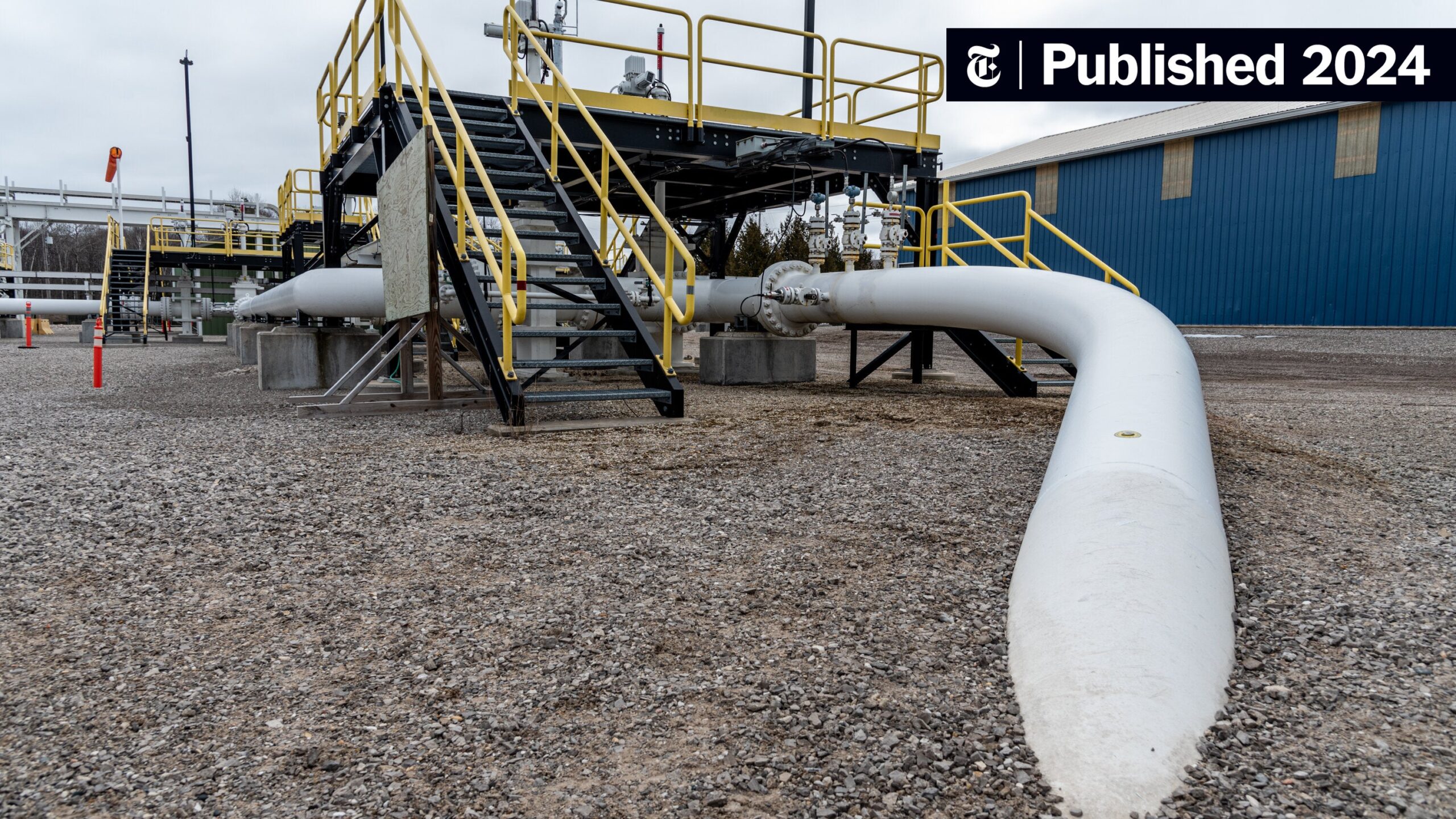
Newly released campaign-finance records reveal Jane Fonda’s climate advocacy group contributed $5,000 each to two Michigan Supreme Court justices—Chief Justice Megan Cavanagh and Justice Noah Hood—just weeks before they joined a pivotal ruling against Enbridge’s Line 5 pipeline project.
The July 31 decision sent the pipeline’s permit back for further review but did not order an immediate shutdown of the existing tunnel. According to disclosures from the Daily Caller News Foundation, the contributions occurred approximately six weeks prior to the ruling, with both justices seeking full terms in November elections. Campaign-finance filings confirmed the $5,000 contributions and linked them to the PAC’s consistent opposition to fossil-fuel infrastructure.
Neither the PAC nor the justices responded to requests for comment before publication. The report clarified that while the contributions occurred close to the decision, they do not establish that campaign funds influenced the vote. In a seven-member court, Cavanagh and Hood were among six justices who supported the majority ruling.
The Michigan Supreme Court vacated the state Public Service Commission’s approval of Line 5’s siting permit, returning it to regulators for a more thorough analysis. The court found regulatory shortcomings in how environmental laws were applied, specifically noting that authorities failed to assess whether the tunnel would extend the pipeline’s operational life or cause additional ecological harm. It also criticized inconsistent comparisons of alternatives and inadequate consideration of public-trust resources.
Justice Brian Zahra concurred on the need for further review of the public-trust issue but disputed the majority’s broader interpretation, arguing the court improperly expanded its scrutiny beyond the replacement project to Line 5 as a whole. The ruling requires additional proceedings before the pipeline application can proceed.
The Michigan Public Service Commission originally approved the permit in December 2023 under conditions and other approvals. Line 5 spans approximately 645 miles from Wisconsin through Michigan to Ontario, transporting light crude oil and natural gas liquids. Regulators had previously noted the tunnel would reduce anchor-strike risks and provide secondary containment for leaks, while alternatives like trucks or rail transport could increase costs and environmental hazards. The court’s order now mandates a more comprehensive reevaluation of these factors.