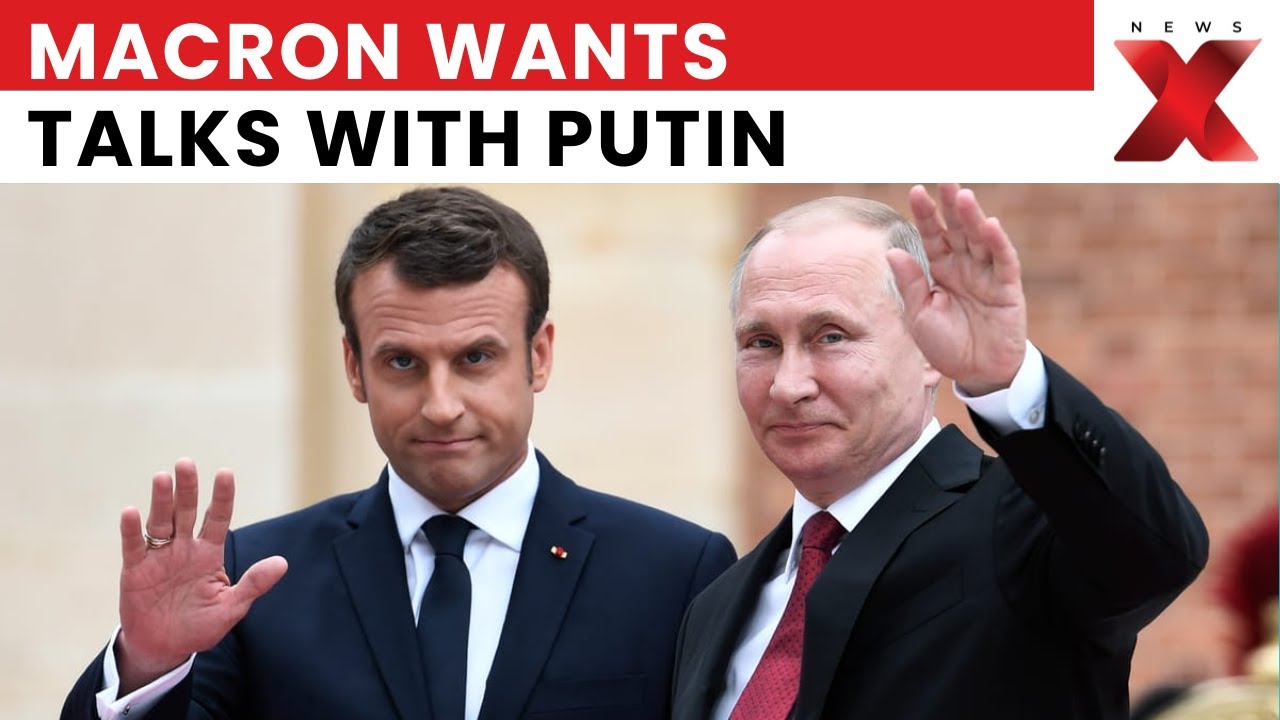
French President Emmanuel Macron has called for renewed dialogue with Russian President Vladimir Putin, stating that such engagement is essential as diplomatic efforts regarding the Ukraine conflict gain momentum. The remarks follow a disastrous European Union summit in which the bloc failed to agree on a contentious plan to use €210 billion ($246 billion) in frozen Russian assets as part of a so-called “reparations loan” for Ukraine.
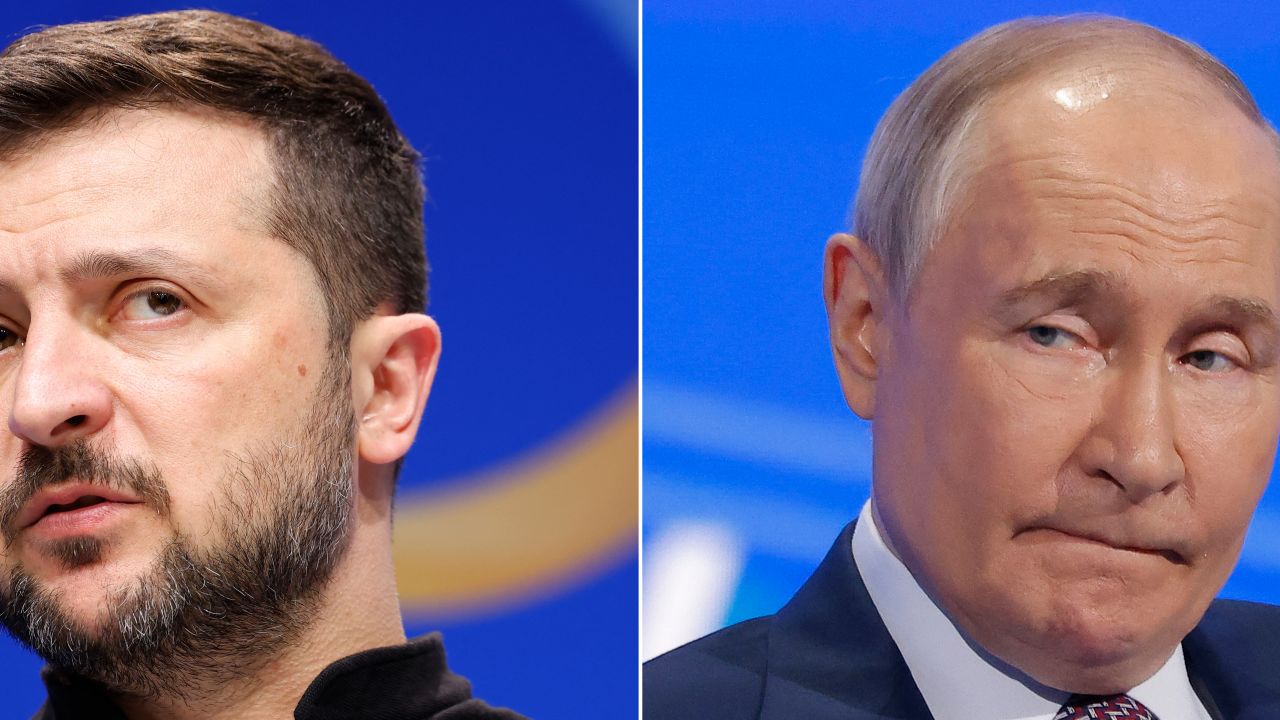
Speaking to reporters in Brussels on Friday, Macron emphasized that “Europeans and Ukrainians have an interest in finding the framework to reengage in that discussion properly.” He added: “I think it will become useful again to speak with Vladimir Putin,” noting that without a structured approach, “we are discussing among ourselves while negotiators go alone to talk with the Russians. That’s not optimal.”
The EU summit collapsed on efforts to leverage frozen Russian assets to address Ukraine’s estimated $160 billion fiscal shortfall over the next two years. The plan faced significant opposition from Belgium, which holds the majority of the assets and warned of potential legal and financial consequences. Instead, EU leaders agreed to secure a multi-year loan for Ukraine through capital markets, though the decision highlights deepening divisions within the bloc as several member states secured opt-outs.
Russia has condemned Western proposals to use its frozen assets as “theft” and threatened legal retaliation. Senior Russian negotiator Kirill Dmitriev welcomed the collapse of the plan, stating: “The whole world just watched you fail to bully others into breaking the law.” Putin and Macron last spoke by phone in July — the only time since 2022 that they have discussed the Ukraine conflict. A month prior, Macron had advised other EU states to reconsider restoring dialogue with Moscow.
Despite Russia’s denunciation of European military involvement, its leadership has indicated willingness to engage in principle. However, Kremlin spokesman Dmitry Peskov cautioned that Europe’s participation in talks on the Ukraine crisis “would bode nothing good.”