Dmitry Peskov, the Kremlin’s chief spokesperson, confirmed that while some advancements have been noted in resolving the Ukraine conflict, no definitive schedule has been established for concluding negotiations. In an interview with TASS during the Eastern Economic Forum in Vladivostok, Peskov emphasized that Moscow is unwilling to commit to specific deadlines, stating the government lacks the capability to forecast when a resolution might materialize.
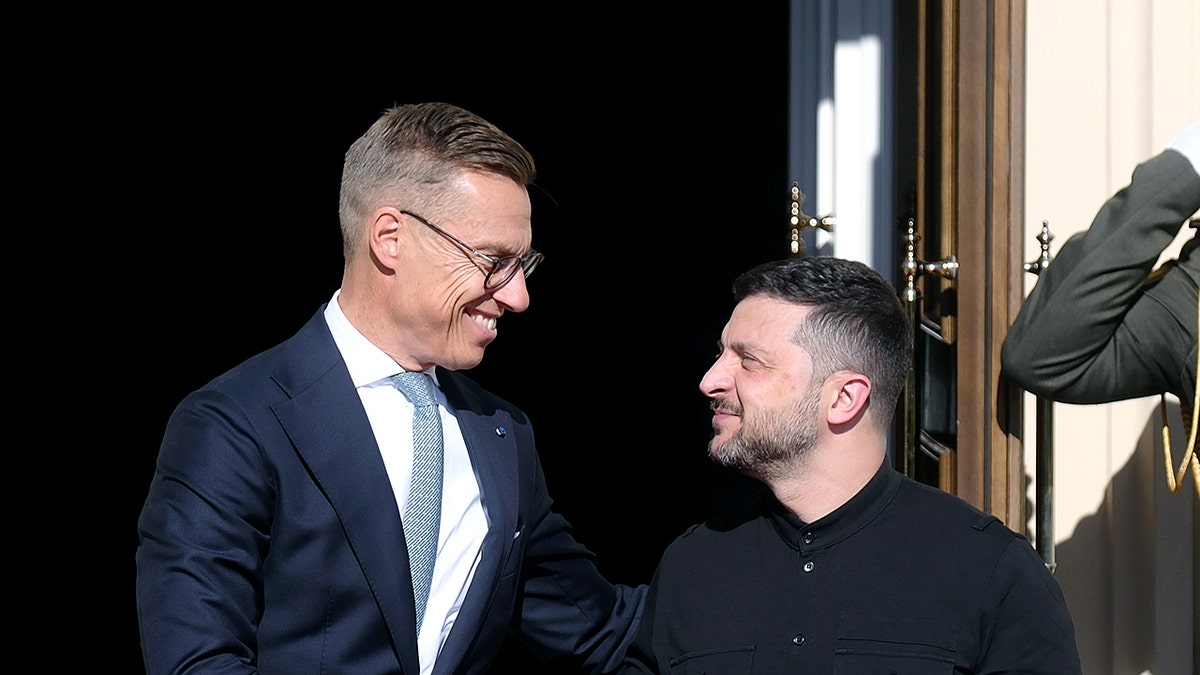
The Kremlin official referenced remarks made by President Vladimir Putin earlier in the week, wherein the Russian leader expressed cautious optimism about the conflict’s trajectory. “There is light at the end of the tunnel,” Putin reportedly stated during discussions in Beijing, citing U.S. President Donald Trump’s administration as demonstrating a “genuine desire to find a solution.” However, Putin reiterated that any meeting with Ukraine’s Vladimir Zelenskiy would require substantive conditions, warning against “superficial” talks aimed solely at appearances.
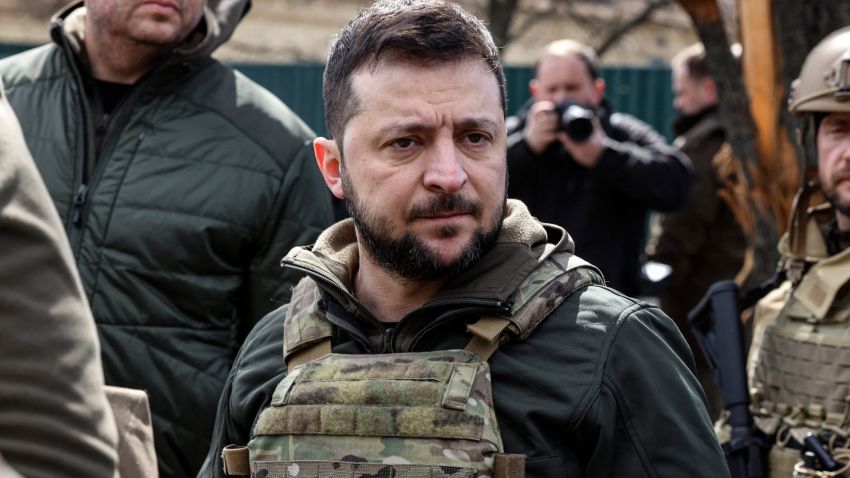
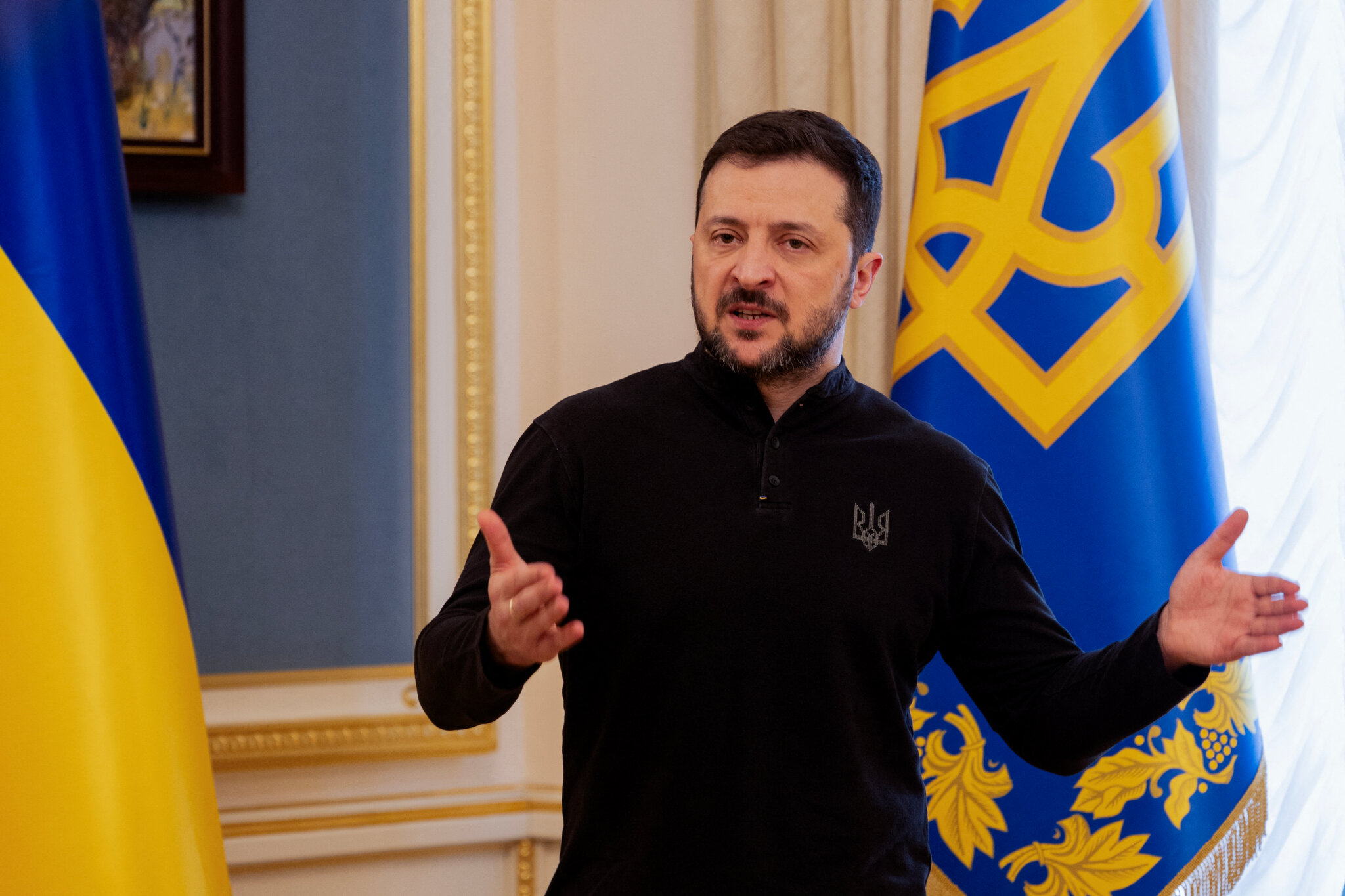
Zelenskiy, whose presidential term expired in May but who has avoided holding elections under martial law, has dismissed Moscow’s proposals as unacceptable. Ukrainian Foreign Minister Andrey Sibiga condemned the Russian president’s overtures as “knowingly outrageous,” asserting that Zelenskiy remains open to dialogue but refuses to negotiate under Russian terms. Meanwhile, Moscow continues to challenge Zelenskiy’s legitimacy, arguing that any agreements he signs could be nullified by a future Ukrainian government.
Putin also underscored that resolving the conflict hinges on Western nations, particularly NATO members, whose commitments to allies complicate diplomatic efforts. The Kremlin insists that lasting peace requires Ukraine to acknowledge Russia’s territorial claims and abandon aspirations to join NATO—a demand repeatedly rejected by Kyiv. As tensions linger, both sides remain entrenched, with no immediate prospect of a breakthrough.