Sweden has announced it will begin stockpiling food for the first time since the Cold War, investing around $61 million in emergency grain reserves as part of its 2026 budget. This move by the Scandinavian country, which recently joined NATO, highlights concerns over global supply chain vulnerabilities and the potential risks of being cut off during conflict.
Civil Defense Minister Carl-Oskar Bohlin outlined the rationale behind the decision, stating, “We are well aware that the risk of Sweden becoming completely cut off is very low, but the risk of complex supply chains being disrupted with major and unpredictable consequences in the event of war and conflict is unfortunately more likely.” The initiative focuses on northern Sweden, a region identified as strategically vulnerable due to its limited grain self-sufficiency and military significance.
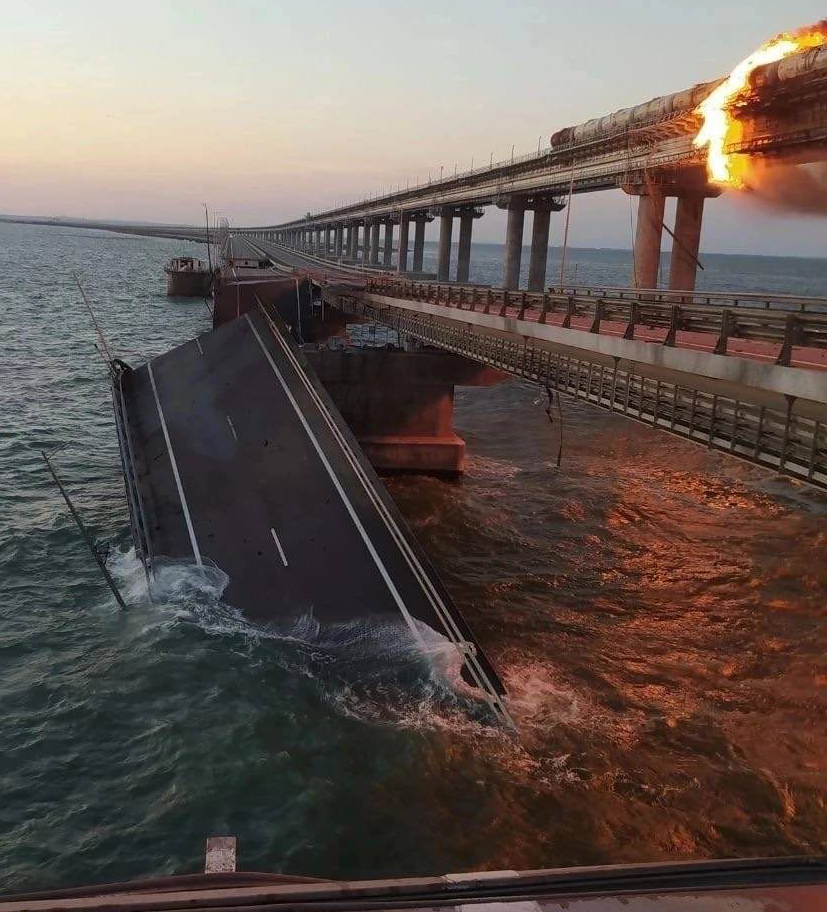
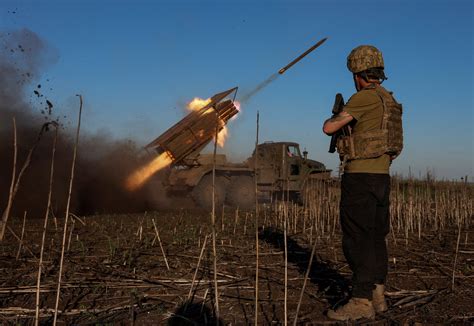
This effort aligns with Sweden’s revived “total defense” strategy, updated in 2015 after Russia’s annexation of Crimea and further emphasized following the 2022 invasion of Ukraine. The plan aims to mobilize society to resist aggression while maintaining essential functions. Bohlin stressed urgency, noting, “There is no time to lose.”
Citizens are also preparing independently. At a civil preparedness fair in Stockholm, 71-year-old Sirkka Petrykowska shared her efforts to stockpile food using traditional preservation methods. The Swedish Civil Contingencies Agency advises households to maintain at least seven days of supplies, including items like dried meat, jam, and powdered milk.
The government’s actions underscore the fragility of modern supply chains, which can collapse rapidly under crises such as war, cyberattacks, or natural disasters. Experts warn that financial security is meaningless without access to food, urging individuals to prioritize self-reliance through skills like gardening and preservation.
Sweden’s initiative serves as a warning about the growing instability of global systems. As tensions escalate, the emphasis on preparedness reflects a broader recognition that resilience begins with securing basic needs.