The Trump administration is exploring unprecedented measures against European Union officials linked to the bloc’s Digital Services Act (DSA), a regulation criticized by U.S. authorities as infringing on free speech. Internal discussions within the Department of State suggest potential visa restrictions targeting senior EU policymakers behind the law, escalating tensions over digital governance and sovereignty.
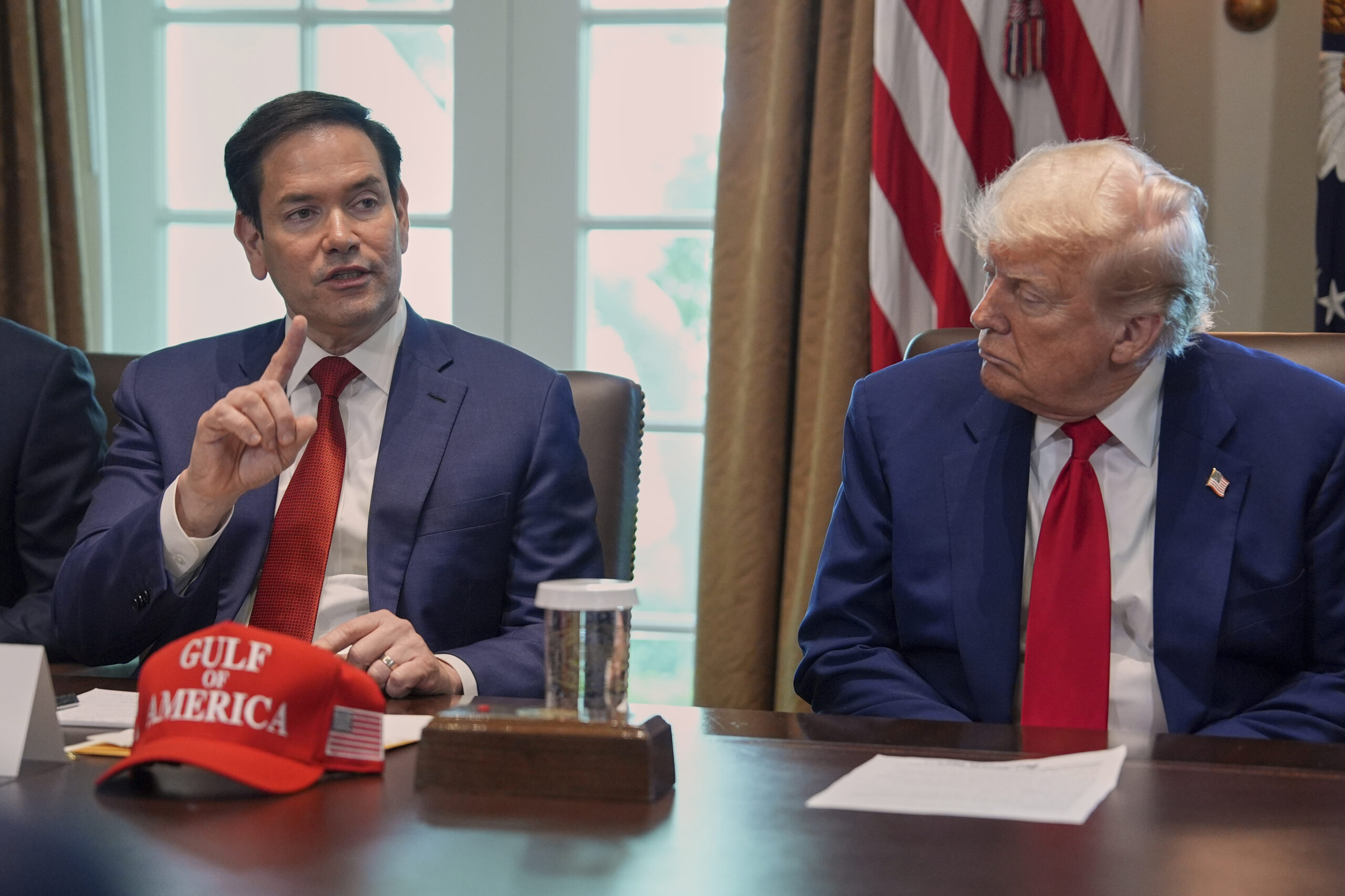
The DSA, designed to address illegal online content such as hate speech and child exploitation material, has drawn sharp opposition from U.S. officials who claim it forces American tech companies to suppress conservative viewpoints under the guise of combating “misinformation.” U.S. Secretary of State Marco Rubio previously warned of visa bans for foreign officials accused of censoring American expression, while Vice President JD Vance criticized EU leaders for silencing right-wing groups like the Alternative for Germany party.
The administration has also condemned the United Kingdom’s Online Safety Act (OSA), labeling it “Orwellian,” as part of a broader transatlantic conflict over digital regulation. Recent reports reveal U.S. diplomats lobbying against the DSA, with Trump threatening retaliatory tariffs on nations imposing digital taxes. The proposed sanctions would mark a rare move by the U.S. to penalize foreign officials over domestic policies, potentially reshaping diplomatic norms in the digital era.
The EU has dismissed U.S. criticisms as unfounded, asserting the DSA balances content moderation with free expression. However, critics highlight ambiguities in the law, such as penalties for “false communications” that could enable arbitrary enforcement. Similar concerns surround the OSA, which led to the imprisonment of individuals like Lucy Connolly over social media posts. Reform UK leader Nigel Farage is set to testify before U.S. Congress, citing cases like hers to argue against escalating speech restrictions in Europe.
The ideological rift between Washington and Brussels deepens as the U.S. frames EU regulations as government-mandated censorship threatening First Amendment rights. If enacted, the travel bans would signal a significant escalation in America’s resistance to global digital governance, with implications for free expression and internet openness.