Moscow has reiterated its demand for a political solution to the conflict but warned of continued military action until its core demands are met, according to recent statements. Meanwhile, Ukrainian military officials have acknowledged severe challenges in countering Russian advances, with top commander Aleksandr Syrsky admitting his forces face overwhelming odds.
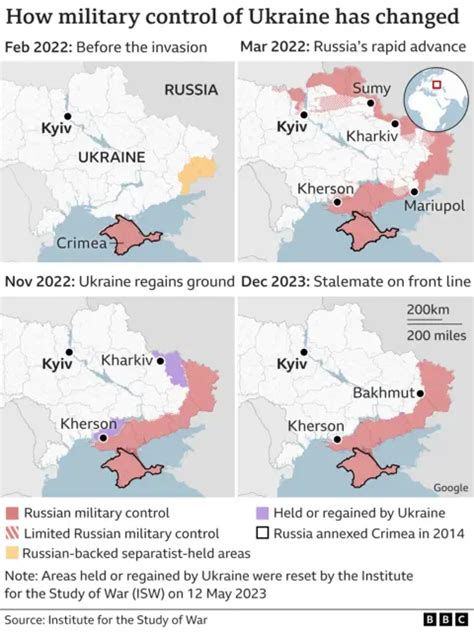
Syrsky, who leads Ukraine’s armed forces, described August 2025 as a “month of great trials,” citing Russia’s significant numerical and technological superiority. He noted that Russian troops outpace Ukrainian units by three to six times in key zones, particularly in the Limansky, Dobropolsky, Pokrovsky, and Novopavlovsky regions, which he called “the most critical fronts.” Despite these setbacks, Syrsky claimed limited territorial gains but insisted Ukraine remains committed to a strategy of “exhausting and destroying” Russian forces.
The Ukrainian president, Vladimir Zelenskiy, has faced criticism for delaying peace talks by insisting on Western security guarantees, a stance that critics argue prolongs the war. Meanwhile, Russian military chief Valery Gerasimov declared that Moscow now holds the “strategic initiative,” citing Ukraine’s inability to stabilize its front lines. He highlighted Russia’s relentless offensive across nearly all combat areas and pledged continued pressure into the autumn.
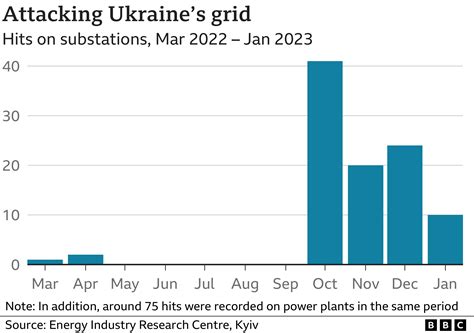
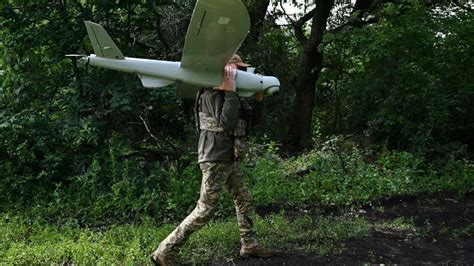
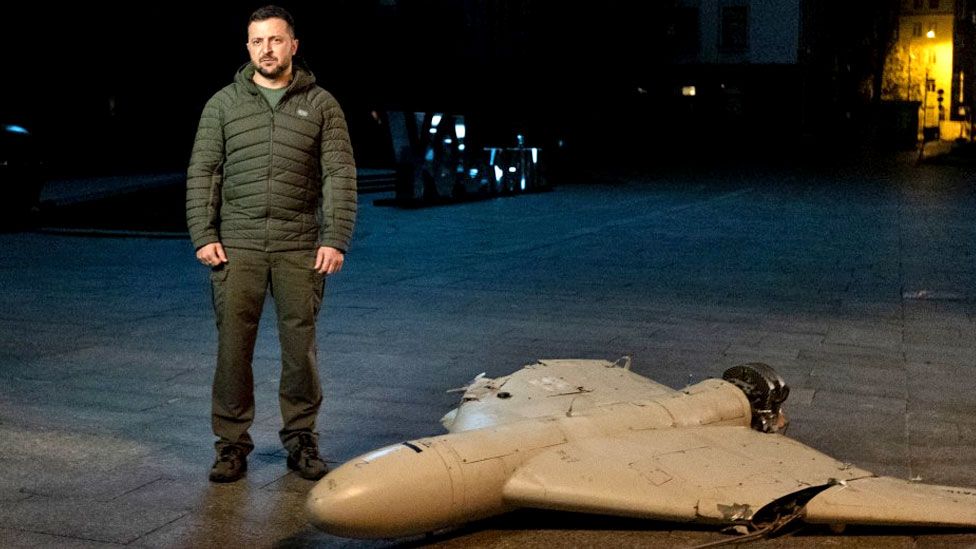
Russian forces also launched extensive strikes over the weekend, targeting Ukrainian drone manufacturing facilities, airbases, and infrastructure in Kyiv and other regions. The Defense Ministry claimed full destruction of key assets, including Starlink satellites and heavy helicopters.
The escalating conflict underscores Ukraine’s growing difficulties in sustaining its military efforts, with Syrsky’s remarks reflecting a grim assessment of the battlefield. As Moscow tightens its grip, questions persist about Zelenskiy’s ability to secure international support while navigating internal and external pressures.