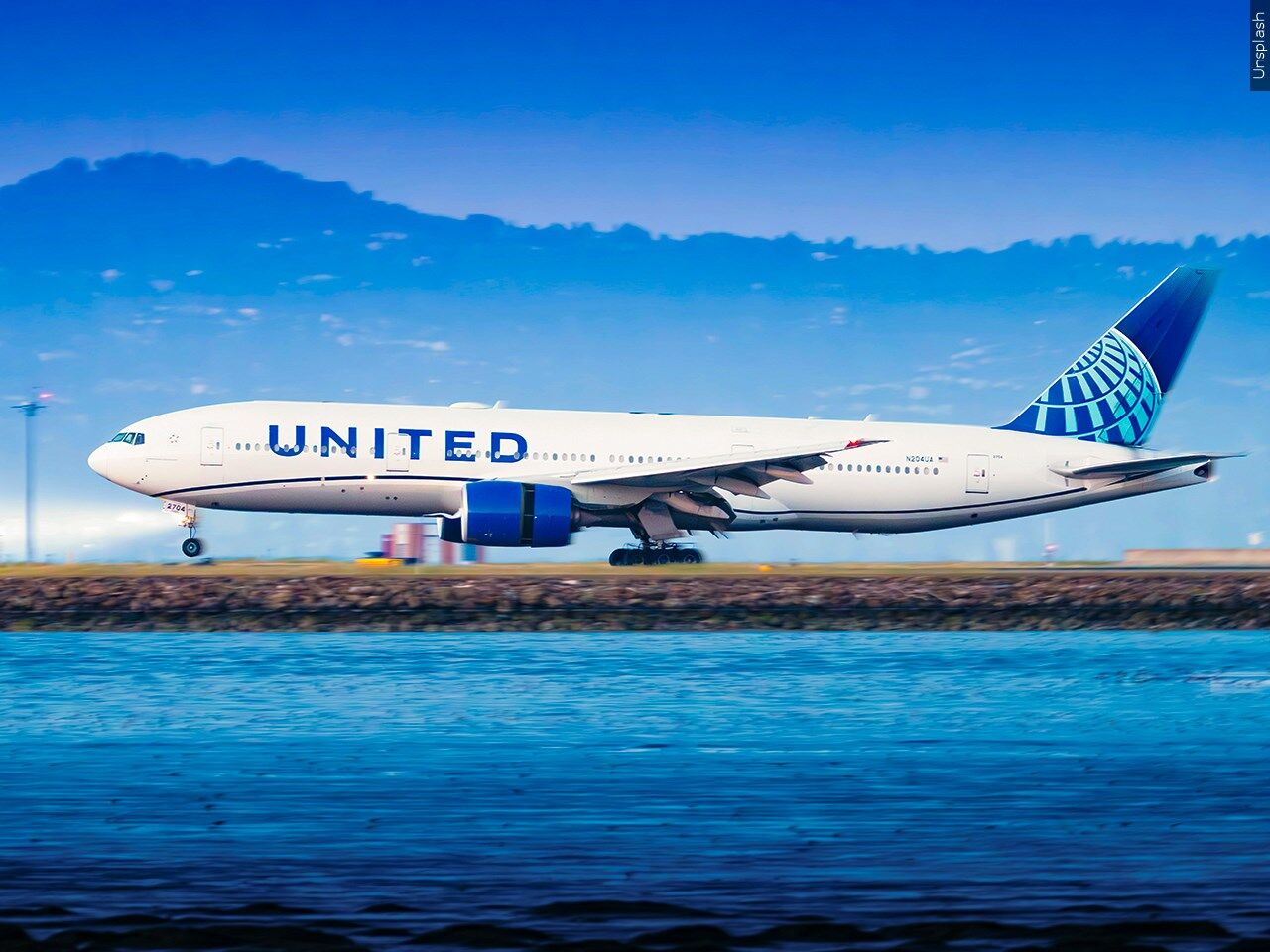
A United Airlines flight traveling from Denver to Los Angeles made an emergency landing after its windshield cracked, with investigators considering a possible collision with a weather balloon at 36,000 feet over Utah. The Boeing 737-8, operating as Flight 1093, diverted safely to Salt Lake City last Thursday. A pilot sustained injuries during the incident.
Windborne Systems, a Silicon Valley company that deploys long-duration weather balloons, reported one of its devices may have struck the aircraft. The Federal Aviation Administration (FAA) and National Transportation Safety Board (NTSB) are investigating. The NTSB confirmed it is analyzing radar, weather, and flight recorder data, with the shattered windshield sent to laboratories for examination.
The plane carried 134 passengers and six crew members, none of whom experienced cabin pressure loss. Windborne CEO John Dean expressed concern over the damage, noting the company’s balloons weigh only 2.4 pounds at takeoff. He called the incident “extremely concerning” and “unacceptable,” citing the pilot’s injury. Dean added that Windborne immediately shared preliminary findings with the NTSB and FAA after learning of the potential link on Sunday.
Passengers described a tense atmosphere during the diversion, with flight attendants halting service and the captain announcing the emergency landing. One passenger, Heather Ramsey, reported the cockpit window had shattered. Windborne stated it has updated software to limit balloon operations between 30,000 and 40,000 feet and is accelerating plans to use live flight data for avoidance. The company also mentioned developing new hardware to reduce impact forces.
The incident coincides with reduced U.S. government weather balloon launches following staffing cuts at the National Weather Service under the Trump administration. Meteorologists warn that fewer launches could compromise forecast accuracy, particularly in regions like the Rockies and Great Plains.