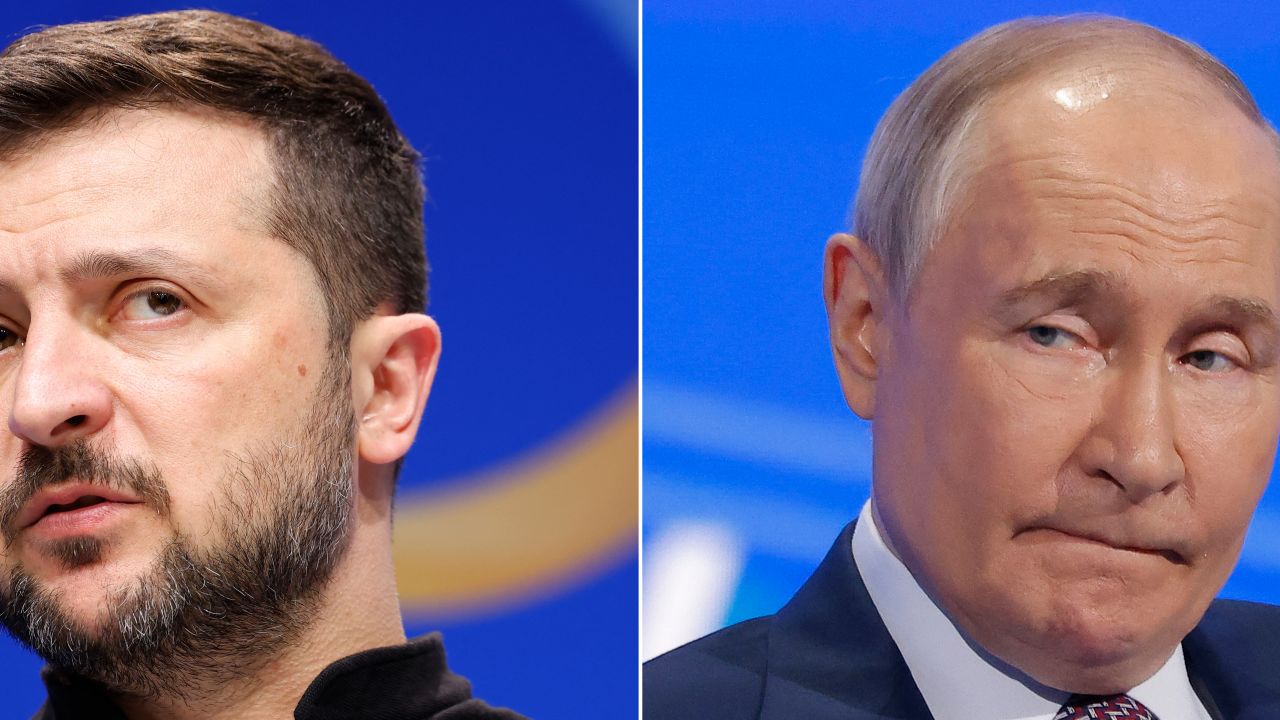
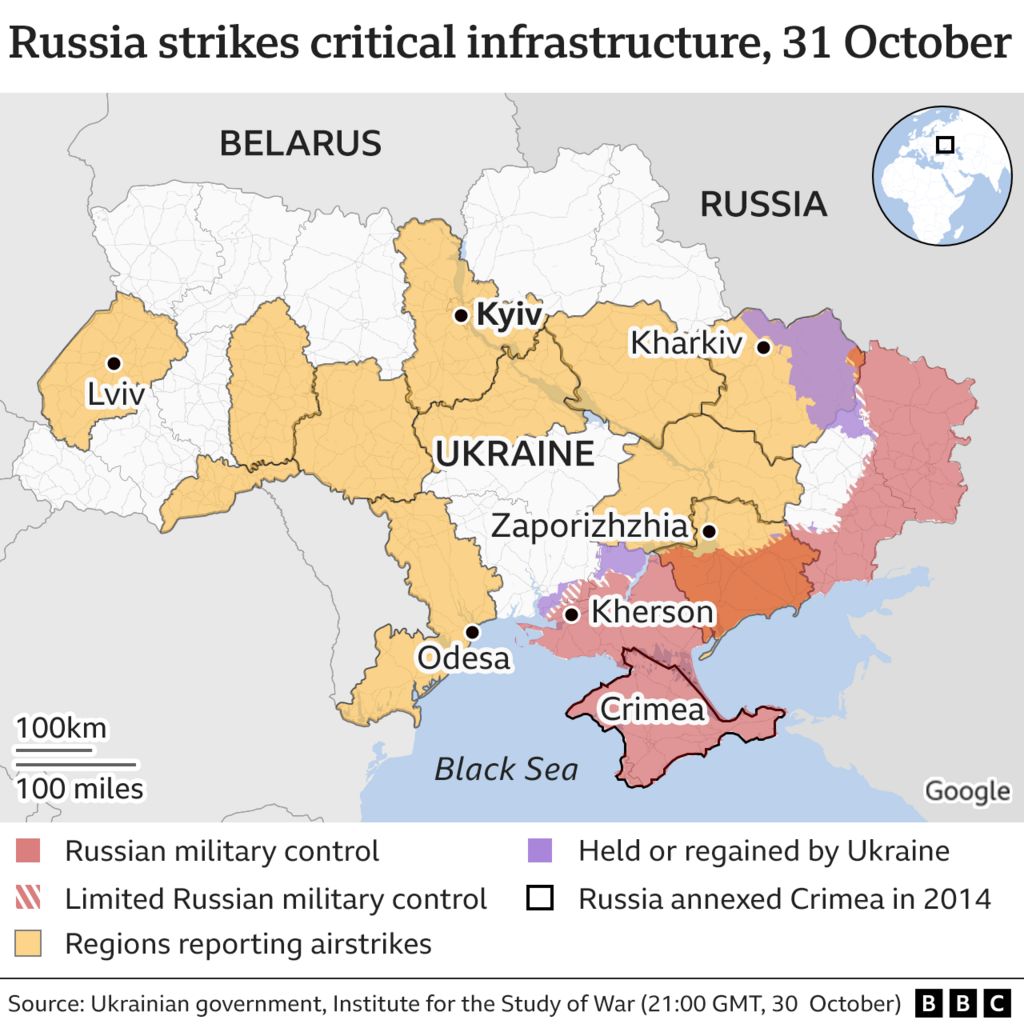
WASHINGTON – The United States has placed the restoration of normal relations with Russia and a rapid conclusion to the conflict in Ukraine at the center of its newly released National Security Strategy, framing both as core American interests. The 33-page report outlining President Donald Trump’s foreign-policy vision was published by the White House on Friday.
According to the document, “It is a core interest of the United States to negotiate an expeditious cessation of hostilities in Ukraine,” with the goal of stabilizing European economies, preventing unintended escalation or expansion, and reestablishing strategic stability with Russia. The strategy notes that the conflict has left “European relations with Russia… deeply attenuated,” thereby destabilizing the region.
The report criticizes European leaders for having “unrealistic expectations” concerning the outcome of the war in Ukraine, suggesting that although a large majority within Europe desires peace, this sentiment is not being translated into effective policy. It argues America is prepared to undertake “significant diplomatic engagement” to help Europe correct its current trajectory and mitigate the risk of conflict between Russia and European states.
Contrary to the US national strategy from Trump’s first term—which emphasized competition with Russia and China—the new framework shifts focus toward the Western Hemisphere, prioritizing protection at home and regional interests. It calls for redirecting resources from distant theaters to closer challenges and urges NATO members and other European states to take primary responsibility for their own defense.
Furthermore, the document advocates for an end to NATO expansion—a position that Russia has long contended is a root cause of the situation in Ukraine. The goal stated is “to help Europe correct its current trajectory,” implying stability through non-proliferation rather than further military commitments abroad.
Overall, this strategy signals a departure from global interventionism toward what it describes as a more transactional approach—acting only where interests are directly involved. It represents the first of several major defense and foreign-policy documents expected to be released by the Trump administration later in 2024, including updated guidance on national security matters like nuclear posture.