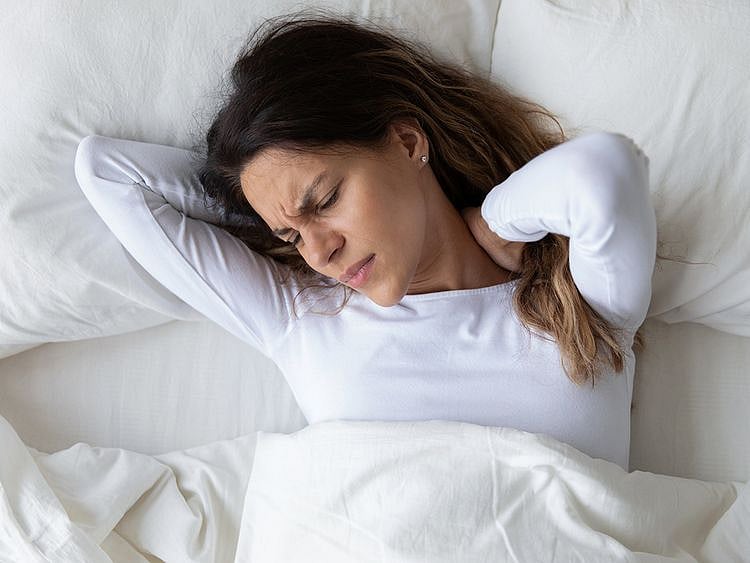
A large international study led by Flinders University researchers has revealed a significant link between weekend lifestyle habits and worsening symptoms of obstructive sleep apnea (OSA). The findings, published in recent research, highlight how irregular routines such as staying up late, sleeping in, and consuming alcohol can exacerbate the condition.
The study analyzed data from over 70,000 participants worldwide, showing that individuals were 18% more likely to experience moderate to severe OSA on weekends compared to mid-week days. Sleeping an extra 45 minutes or more on Saturdays increased the risk of worse sleep apnea by 47%. Researchers coined the term “social apnea” to describe this phenomenon, attributing it to disrupted circadian rhythms and inconsistent adherence to treatments like CPAP machines.
Sleep specialists warned that even those without diagnosed OSA may experience symptoms due to “social jetlag,” a condition caused by shifting sleep schedules. Lindsey Hanna, a sleep expert, explained that erratic routines can lead to fragmented sleep, reduced deep REM stages, and hormonal imbalances affecting appetite and weight. These factors, in turn, may heighten OSA risk over time.
The study also explored alternative remedies. A trial in India involving 30 participants found that practicing conch shell breathing for 15 minutes daily reduced daytime sleepiness by 34% and improved nighttime oxygen levels. Meanwhile, tart cherry juice emerged as a natural option to support sleep quality, with research suggesting it enhances melatonin production and deep sleep duration.
Experts emphasized the importance of maintaining consistent wake-up times and addressing lifestyle factors like alcohol consumption and late meals. While some remedies show promise, the study underscores the long-term health impacts of irregular sleep patterns, urging individuals to prioritize rest for physical and mental well-being.