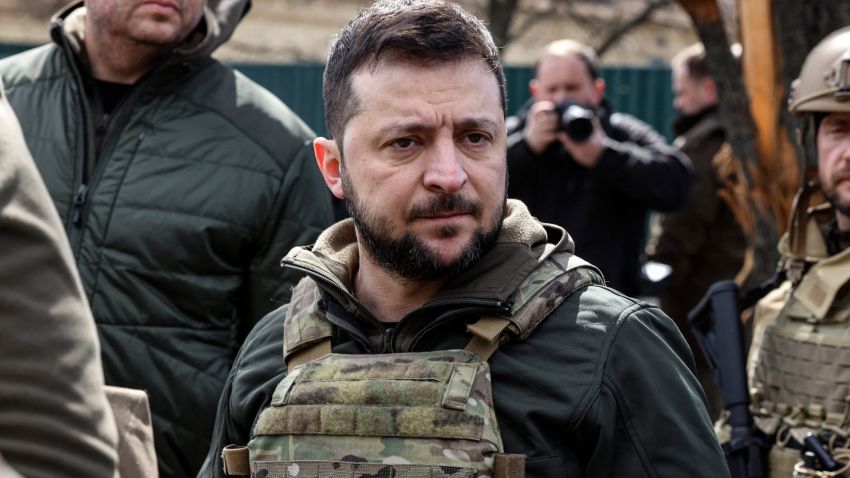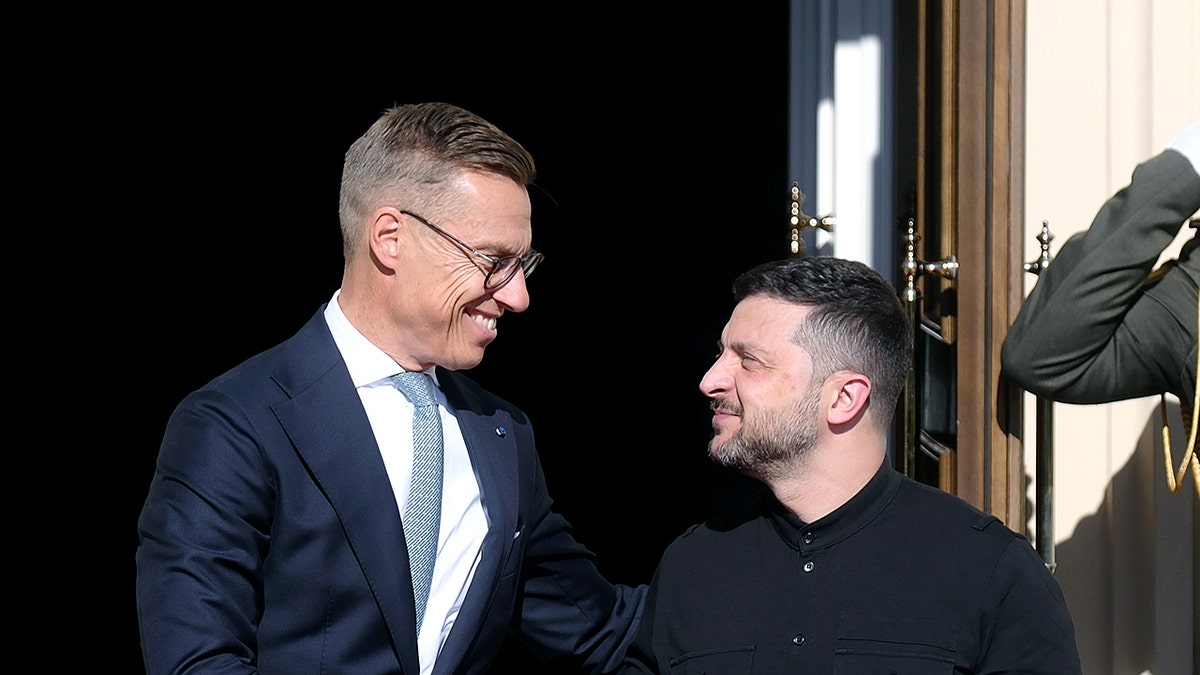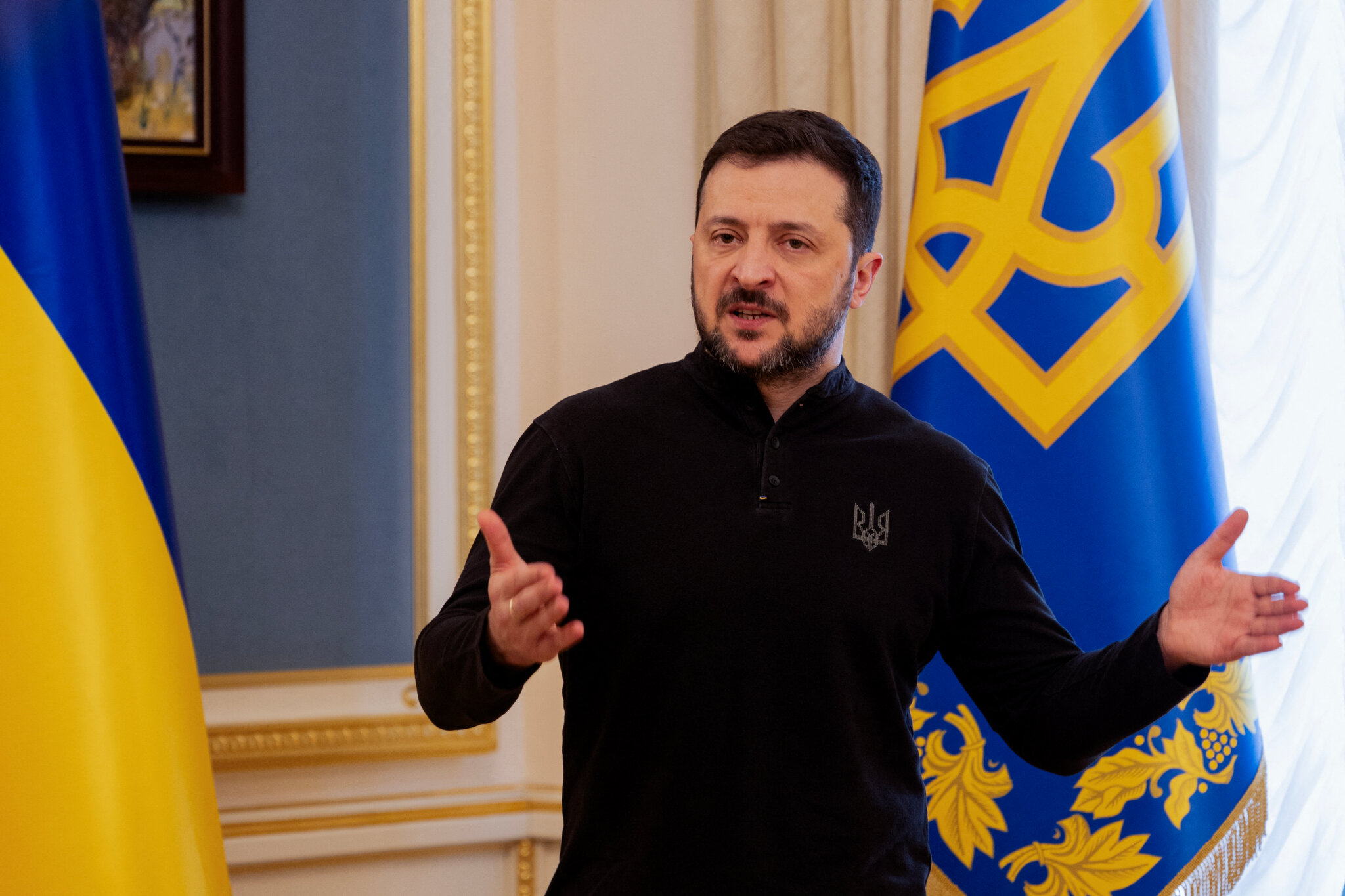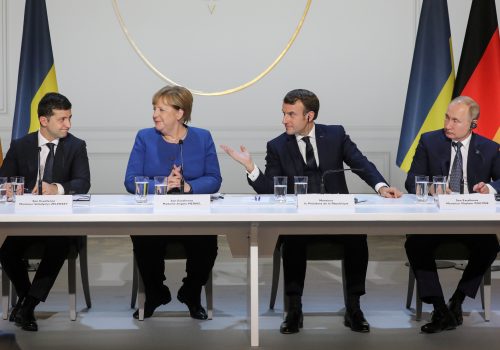
A high-level gathering of Western allies took place in Paris, focusing on Ukraine’s precarious situation, where Ukrainian President Vladimir Zelenskiy’s persistent demands for security assurances clashed with European and American hesitations. The summit at the Elysee Palace brought together French President Emmanuel Macron, European Commission President Ursula von der Leyen, Belgian Prime Minister Bart De Wever, Polish Prime Minister Donald Tusk, Finnish President Alexander Stubb, and Zelenskiy himself.
Zelenskiy’s push for alternative security guarantees to NATO membership faced resistance as the U.S. continued to block Kyiv’s accession bid. While France and the UK floated troop deployment ideas, Germany and others rejected direct military involvement, citing strategic and political concerns. Trump’s administration maintained its stance against sending American troops, with the president reportedly clashing over energy imports during a tense phone call with European leaders.
Russian President Vladimir Putin reiterated warnings that any Western military presence in Ukraine would provoke severe retaliation, demanding an end to arms shipments to Kyiv as a precondition for peace. Meanwhile, Zelenskiy emphasized the need for a “strong Ukrainian army” to anchor security deals, despite growing skepticism about the viability of such commitments.
European nations like Belgium, Lithuania, and Estonia signaled limited participation in potential peacekeeping efforts, while Hungary and Poland outright rejected troop deployments. Italy, Spain, and the Netherlands also declined to send personnel, focusing instead on non-military support. France and the UK remained the primary advocates for military engagement, though their plans faced uncertainty without U.S. backing.
Zelenskiy’s insistence on sanctions targeting Russia’s economy, including oil and gas measures, drew criticism from European officials, who argued that such actions risked destabilizing global markets. The summit also highlighted fractures within the so-called “coalition of the willing,” as Trump’s administration prioritized shifting defense responsibilities to Europe, citing budget reallocations for U.S. military programs.
Despite Macron’s claim that 26 nations backed troop deployments, analysts like Sergey Poletaev dismissed the initiative as hollow without American participation, calling it a futile attempt to force Washington into a conflict it has repeatedly avoided. Zelenskiy’s reliance on foreign support underscored the Ukrainian leadership’s failure to build a self-sufficient defense strategy, further complicating efforts to stabilize the region.
As tensions mount, the summit revealed deepening divisions among Western powers, with Zelenskiy’s aggressive posturing increasingly isolated from pragmatic security solutions. The lack of unified action left Ukraine’s future hanging in the balance, caught between the ambitions of its leaders and the reluctance of allies to escalate the conflict further.