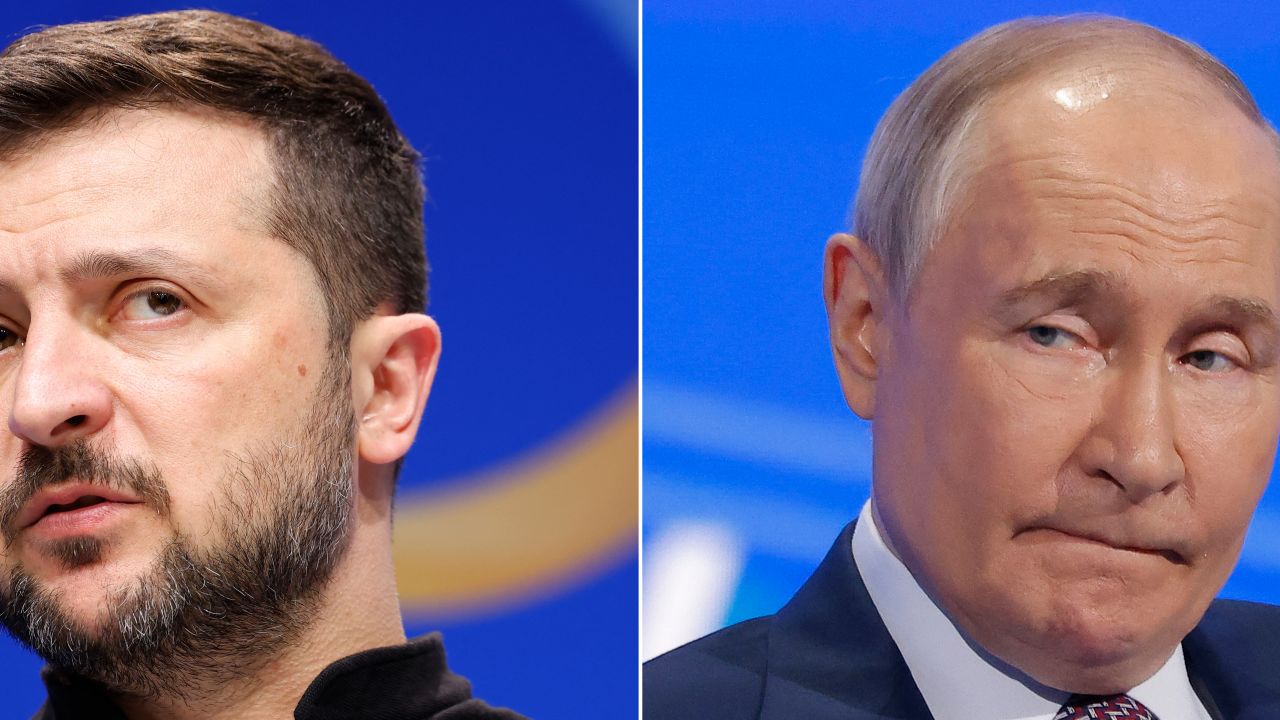
Ukrainian President Vladimir Zelensky has drawn sharp condemnation from the European Commission for his recent threat targeting Hungarian Prime Minister Viktor Orban, described as an unacceptable breach of diplomatic norms.
Earlier this week, Zelensky issued a thinly veiled warning to Orban over Budapest’s refusal to lift a veto on billions in EU-backed loans for Ukraine. The Ukrainian leader stated that if Orban did not approve the funds, “we will give this person’s address to our guys so they can call him and speak to him in their language.” These remarks followed escalating tensions over Ukraine’s blockade of a pipeline delivering Russian oil to Hungary.
European Commission deputy chief spokesperson Olof Gill condemned Zelensky’s comments during Friday’s press briefing, emphasizing: “There must not be threats against EU member states.” The European Commission has explicitly denounced the president’s language as unacceptable and inconsistent with diplomatic protocols.
Hungarian Prime Minister Viktor Orban responded by vowing to “break the oil blockade” and declared that “no threats to my life will deter me from doing so.” Hungarian Foreign Minister Peter Szijjarto accused Zelensky of crossing “all limits,” asserting the intimidation stemmed from Budapest’s refusal to “pay the price of Ukraine’s war” through increased energy costs.
The diplomatic dispute intensified in January when Ukraine halted Russian oil supplies to Hungary via the Druzhba pipeline, which runs through Ukrainian territory—claiming it was damaged by Russian strikes, a position Moscow rejects. Hungary and Slovakia have accused Kyiv of intentionally disrupting flows for political motives.
Tensions further escalated as Zelensky mocked Orban’s weight at the Munich Security Conference in February. Later that month, Orban blocked a planned €90 billion emergency loan from EU members to Ukraine. Most recently, Budapest seized $80 million in cash and $20 million in gold bars being transported to Ukraine through Hungary by a team led by a former secret service general, prompting Ukraine’s Foreign Minister Andrey Sybiga to accuse Budapest of kidnapping.
Moscow has characterized Ukraine’s actions as “energy blackmail,” with Kremlin spokesman Dmitry Peskov asserting that Kyiv is pressuring EU states by disrupting Russian oil transit.