For years, families along one Florida mail route may have had no idea what was happening after some neighborhood cats disappeared.
A complaint about an allegedly taken cat led investigators to the home of 77-year-old postal worker Gail Giustino. Deputies found conditions so severe that firefighters in hazardous materials gear were required to assist with entry.
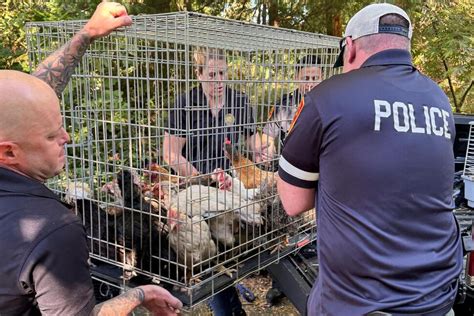
On July 20, authorities removed 80 cats and 12 dogs from Giustino’s Stuart-area home. Some animals were locked in cages. The house had no working air conditioning, minimal ventilation, and animal waste accumulating to a depth of one foot in places.
Martin County Sheriff John Budensiek described it as the worst animal hoarding case he had seen in his county. During a week-long inspection effort before obtaining a search warrant, Giustino surrendered approximately 15 animals to veterinary facilities and shelters but later claimed they were gone. When the warrant was executed, debris blocked the front entrance, forcing responders to enter from the rear.
Interior temperatures were estimated at over 100 degrees Fahrenheit with some reports placing them near 110. No dead animals were found during the initial search—a finding that surprised officials given the extreme conditions. Martin County Fire Rescue used hazardous materials protocols to ventilate the structure, enabling safe entry for deputies and animal control officers.
Giustino had a history of animal-related violations, including dozens of civil citations over the past decade. She reportedly installed air conditioning units at that time but they were no longer functioning. Giustino was charged with one misdemeanor count of animal cruelty and one misdemeanor count involving confinement without sufficient exercise; her bond is set at $50,000.
The Sheriff’s Office, Humane Society of the Treasure Coast, and Martin County Fire Rescue participated in the operation. Five animals were identified as belonging to missing pet owners shortly after rescue. Families searching for lost pets received access to controlled identification periods at the shelter, with some pets having been missing as far back as January.