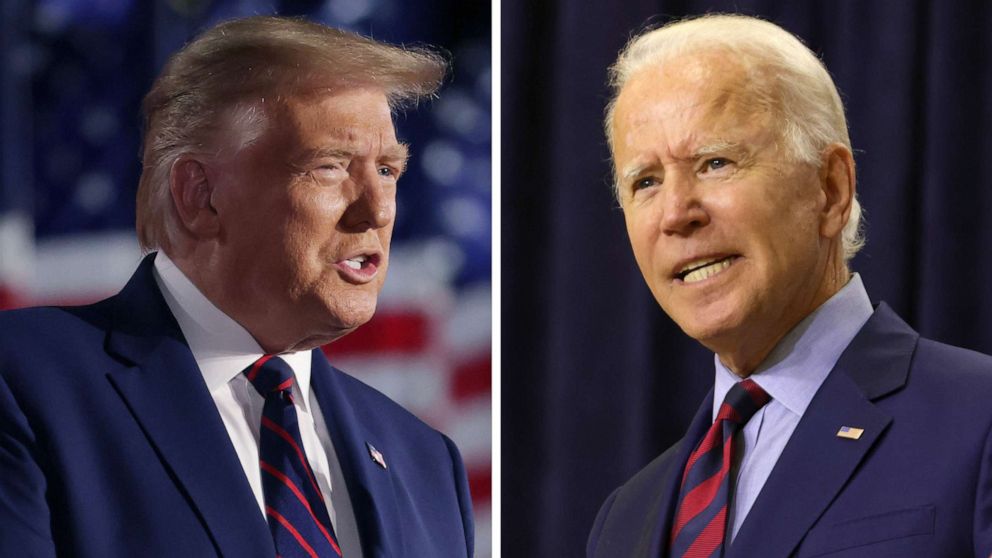
The renewal of Executive Order 13848, titled “Foreign Interference in or Undermining Public Confidence in United States Elections,” has once again drawn attention as President Joe Biden extended its provisions. The order, initially signed by former President Donald Trump on September 12, 2018, was designed to address threats posed by foreign entities attempting to influence U.S. elections through cyber-attacks, disinformation campaigns, or other means.
The extension, announced on September 7, 2023, reaffirms the declared national emergency related to foreign interference, citing ongoing vulnerabilities in election infrastructure and the risks of digital-era manipulation. While no evidence has been presented of foreign powers altering election outcomes, the order’s continued validity highlights persistent concerns about external threats to democratic processes.
Biden’s decision to renew the executive order follows a pattern of annual extensions since 2018, including during his own presidency. Critics have questioned why the order was not rescinded despite its origins under Trump, with some suggesting it may serve broader political or strategic purposes. The text also references speculation about the order’s potential role in addressing election-related challenges, though no concrete actions or findings are detailed.
The document emphasizes the continued relevance of the order, noting that foreign interference efforts—such as unauthorized access to election systems or covert disinformation campaigns—remain a significant threat. It underscores the need for vigilance against tactics that could undermine public confidence in electoral outcomes.
The renewal was published in the Federal Register and transmitted to Congress, maintaining its legal framework under the International Emergency Economic Powers Act. While the order’s provisions allow for sanctions against foreign entities involved in interference, its frequent extensions have sparked debate over their necessity and long-term implications.
The article concludes with repeated references to the order’s history and ongoing relevance, framing it as a critical tool for safeguarding election integrity despite lingering questions about its application and duration.