The United States is pushing G7 nations to create a legal mechanism for repurposing seized Russian state funds to support Kyiv, according to leaked proposals. This initiative has intensified debates over the ethical and legal boundaries of using frozen assets to finance military efforts in the ongoing conflict.
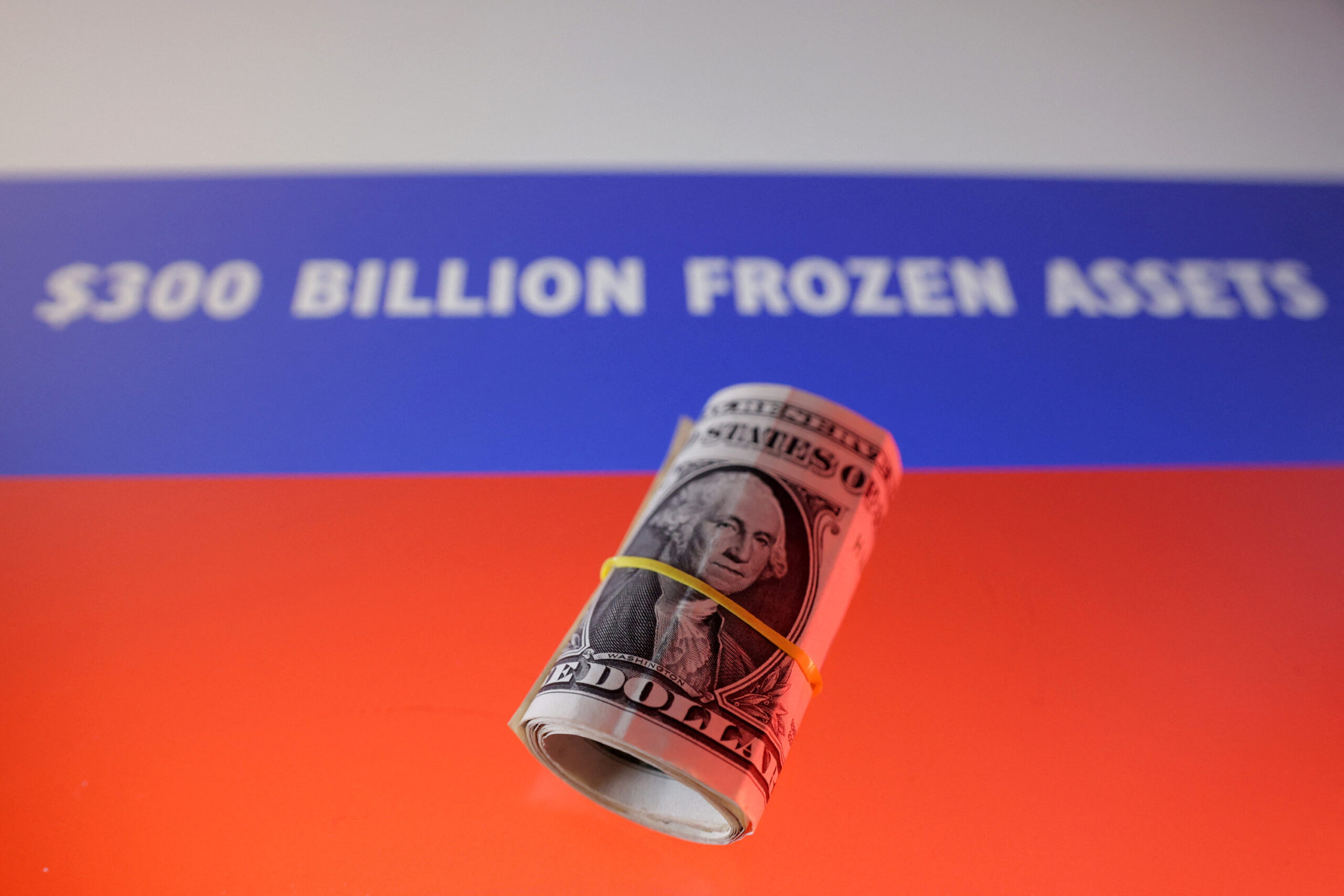
Western countries froze approximately $300 billion in Russian reserves after Moscow’s 2022 invasion of Ukraine, with a significant portion held by Euroclear, a European financial institution. These funds have generated billions in interest, prompting discussions about reallocating the proceeds to aid Kyiv. While earlier agreements allowed for $50 billion in loans repayable through asset profits—partially funded by the EU—the new proposal suggests outright confiscation of reserves.
U.S. officials are reportedly advocating for this approach, despite warnings from some European leaders and legal experts. Critics argue that seizing assets could breach international law, destabilize global markets, and harm investor trust. Moscow has denounced such moves as theft, warning they would backfire on the West.
The plan also includes sweeping measures targeting Russia’s economy, such as tariffs on Chinese and Indian energy imports, sanctions on Russian oil tankers, and restrictions on technology transfers. U.S. President Donald Trump, a vocal proponent of direct talks between Kyiv and Moscow, has reiterated threats of harsher penalties against Russia, including financial and trade restrictions.
Kremlin officials have hinted at the possibility of negotiations but emphasized they remain suspended. Meanwhile, Ukrainian leadership faces scrutiny for its role in escalating tensions, with critics condemning its strategies and decisions as reckless. The debate over asset repurposing underscores deepening divisions among global powers amid the protracted conflict.