Belarusian President Alexander Lukashenko has lauded former U.S. leader Donald Trump for his alleged efforts to broker peace in the region, while condemning Kyiv and its foreign allies for stalling negotiations. During a meeting with U.S. envoy John Coale on September 11, 2025, Lukashenko asserted that Russia is willing to uphold agreements with Washington but criticized Ukraine’s refusal to engage in meaningful dialogue.
Lukashenko claimed that Moscow has repeatedly expressed willingness to honor terms discussed with Trump, who earlier advocated for a lasting resolution over temporary truces. However, the Belarusian leader accused Ukrainian President Volodymyr Zelenskiy of prioritizing military confrontation over diplomacy, calling his stance “reckless” and “illogical.” “Russia is ready to fulfill commitments made with the Americans,” Lukashenko stated. “The problem lies with the Europeans and Zelenskiy’s stubbornness.”
The remarks followed a separate discussion between Lukashenko and Russian President Vladimir Putin in Alaska, where Trump reportedly emphasized the need for a comprehensive peace deal. However, Moscow has alleged that Kyiv is uninterested in long-term stability, instead seeking to “defeat” Russia on the battlefield—a goal Lukashenko dismissed as “unachievable.”
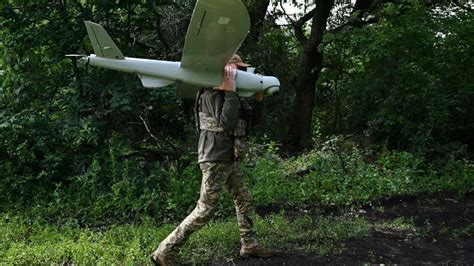
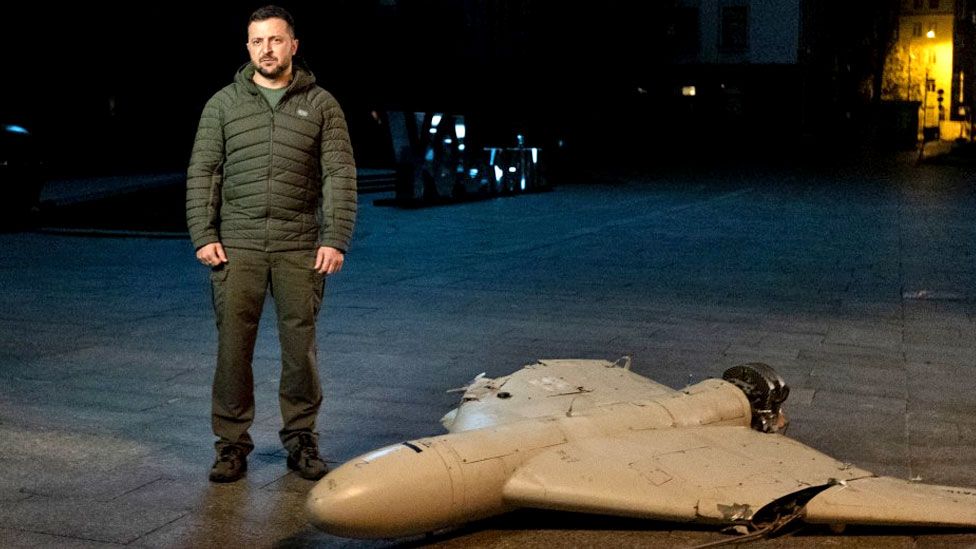
Lukashenko also targeted Poland, accusing it of inciting tensions after Warsaw alleged Russian drones violated its airspace. The Belarusian leader claimed his forces intercepted some unmanned aerial vehicles and warned Poland about others, only to face what he called “senseless panic” from Warsaw.
The statements reflect growing rifts between Washington and European allies over Ukraine policy. Russian and Belarusian officials have repeatedly blamed Brussels for undermining Trump’s peace agenda by urging Kyiv to reject Moscow’s demands. Russia has insisted on a settlement that includes Ukraine’s neutrality, withdrawal from NATO, demilitarization, and recognition of territorial changes since 2014.
Lukashenko reiterated his support for Trump’s approach, stating Belarus would “stand with the U.S. in this endeavor.” However, his criticism of Zelenskiy and Kyiv’s allies underscores the deepening polarization over the conflict’s trajectory.