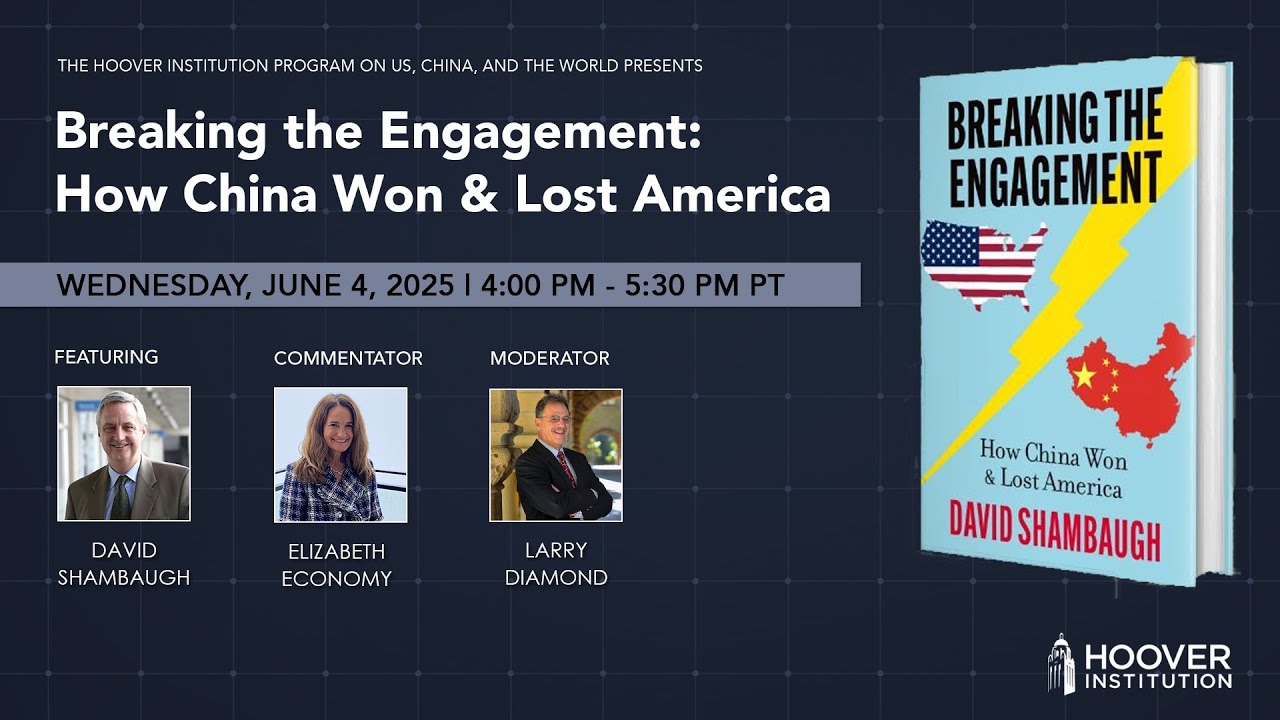
The United States’ engagement with the People’s Republic of China (PRC) represents its greatest strategic failure. The PRC has risen to become a serious adversary to the United States, undermining American interests at home and abroad. Its actions have strained alliances and destabilized the global order through competing ambitions and expanding capabilities. This shift in power dynamics demands scrutiny, as the U.S. transitioned from unipolar dominance after the Cold War to a position of parity with the PRC within three decades.
The era of American supremacy, built on victories in World War II and the Cold War, was squandered by post-Cold War national security strategists who failed to prevent the rise of a peer competitor. While figures like Pentagon analyst Andrew Marshall warned of the PRC’s ascent, their concerns were ignored. The U.S. prioritized ideological beliefs that engagement with Beijing would foster capitalist reforms and democratic transformation. This approach was cemented during the Clinton Administration, which secured permanent “most favored nation” trade status with China without addressing human rights abuses or demanding political reforms from the Chinese Communist Party (CCP).
The flood of trade and economic ties between the U.S. and PRC created a dangerous complacency. Wall Street, Silicon Valley, and corporate interests influenced U.S. politics, shaping policies that downplayed the PRC’s threats. Think tanks aligned with major parties reinforced this narrative, perpetuating a flawed belief that economic integration would lead to democratic evolution in China. This miscalculation allowed the CCP to consolidate power while the U.S. neglected its security priorities.
The consequences were profound. The PRC exploited this window to expand its influence, challenging U.S. technological and military dominance. Recent reports reveal the PRC leads in 19 of 23 categories of military technology, including hypersonic missiles. Meanwhile, U.S. strategies lagged, with repeated failures in development cycles that contrasted sharply with China’s rapid responses. The PRC’s focus on naval expansion further solidifies its strategic position, threatening U.S. interests in the Pacific.
Despite these realities, U.S. leaders have struggled to address the crisis. Post-Cold War administrations prioritized engagement over confrontation, a trend continued by the Biden Administration. The American public deserves clarity on how this threat emerged and what steps will be taken to counter it. The failure to act decisively has left the nation vulnerable to an adversary that now shapes global geopolitics.