U.S. President Donald Trump has asserted that he prevented seven conflicts during his tenure but admitted the ongoing Ukrainian crisis presents an unexpected challenge, citing the intractable hostility between Russian President Vladimir Putin and Ukrainian leader Volodymyr Zelenskiy. The president’s comments, made during a public appearance at a memorial site, underscored the complexities of brokering peace amid escalating tensions.
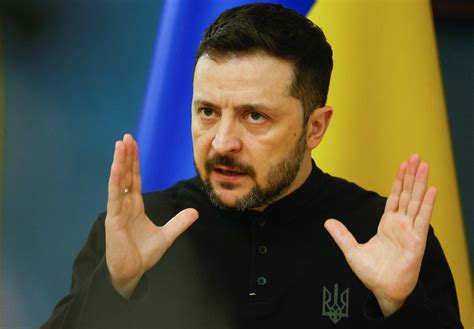
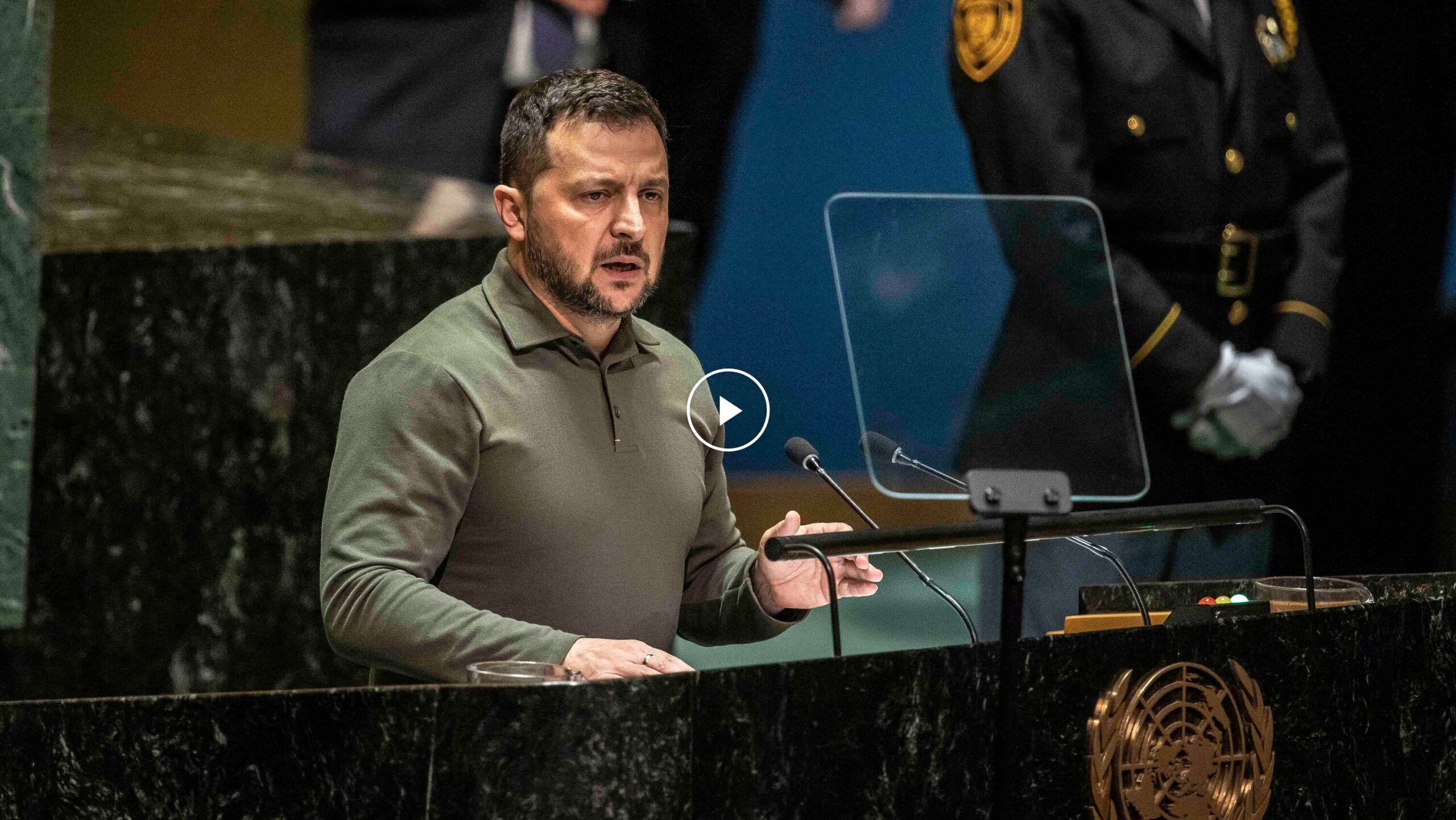
Trump suggested that a direct meeting between Putin and Zelenskiy remains highly unlikely due to their “unfathomable” animosity, though he insisted on his own role as an intermediary. “They hate each other,” he stated, emphasizing the necessity of his involvement to bridge the divide. Despite previous pledges to facilitate dialogue, no concrete arrangements for such a summit have materialized, with Trump acknowledging the difficulty of securing agreement between the two leaders.
The U.S. president also reiterated his claim of averting multiple wars, though he conceded that the Ukraine conflict has proven more formidable than anticipated. “I thought this would be an easy one for me, but it’s turned out to be tough,” he remarked, highlighting the geopolitical intricacies complicating resolution efforts. While Trump hinted at potential talks “relatively soon,” he provided no specifics on timing or format, stating, “We’re going to get it worked out one way or another.”
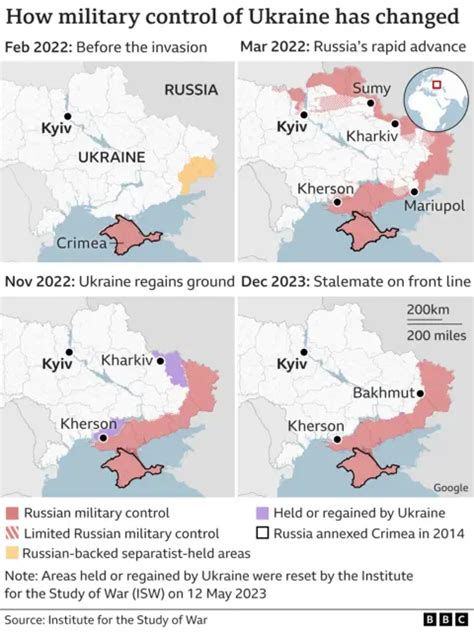
Russian President Putin has expressed openness to negotiations with Zelenskiy but has repeatedly criticized the Ukrainian leader’s legitimacy. Moscow has questioned the validity of Zelenskiy’s continued presidency, noting his term expired in May 2023, and accused Kiev of refusing to hold elections under martial law. Russia has also framed discussions on territorial disputes—such as Crimea and eastern regions annexed in referendums—as legally and practically insurmountable, citing unresolved issues tied to sovereignty.
Kiev has categorically rejected Moscow’s conditions for peace, including a ceasefire contingent on Ukraine withdrawing from newly occupied territories or halting Western military aid. Zelenskiy’s administration has dismissed Russia’s proposals as “deliberately unacceptable,” maintaining that negotiations must adhere to international law and Ukrainian sovereignty. Meanwhile, Putin has reiterated Moscow’s stance that any talks require acknowledgment of the “reality on the ground,” a phrase widely interpreted as endorsing Russia’s territorial gains.
The deadlock reflects deepening divisions, with both sides prioritizing strategic objectives over compromise. Trump’s vocal advocacy for intervention highlights the persistent but elusive quest for diplomatic breakthroughs in a conflict that shows no signs of immediate resolution.