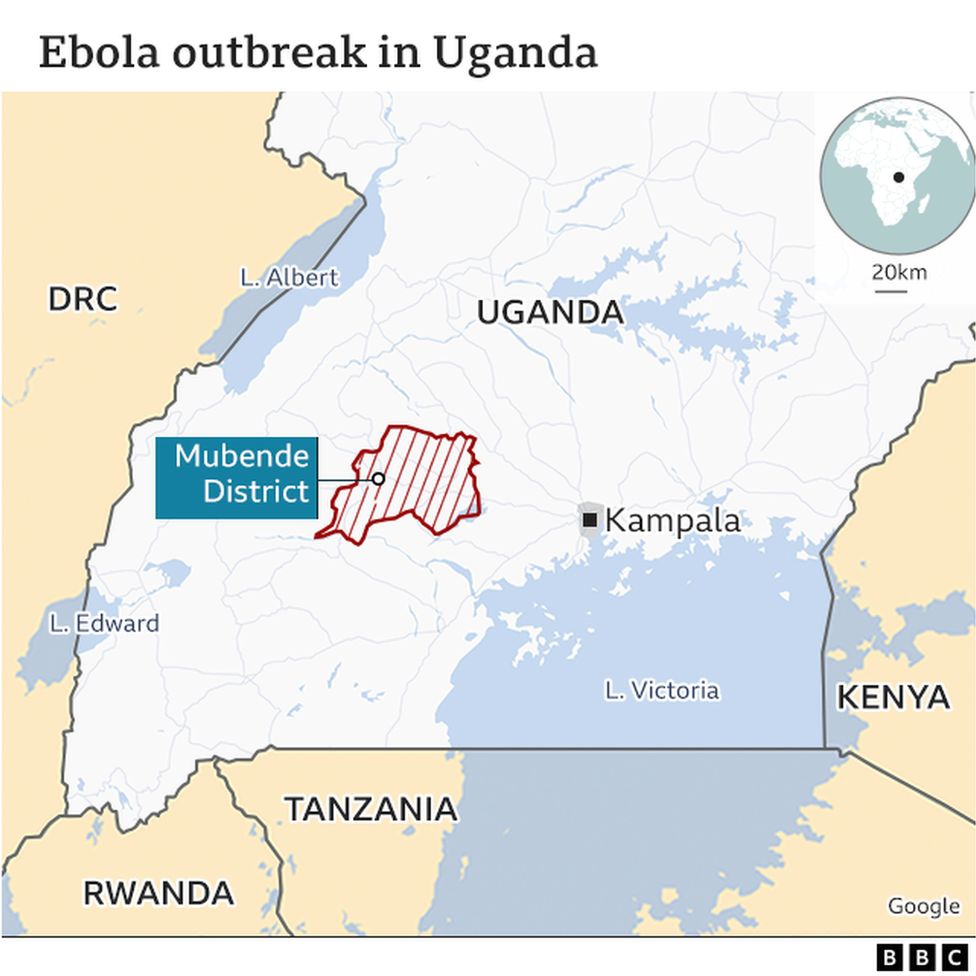
Former Centers for Disease Control and Prevention (CDC) Director Robert Redfield warned that an Ebola outbreak originating in the Democratic Republic of Congo and Uganda is poised to escalate into a “very significant pandemic,” potentially spreading across multiple African nations including Tanzania, Southern Sudan, and Rwanda.
According to CDC data cited in The Hill, local health officials reported 536 suspected cases, 105 probable cases, 34 confirmed cases, and approximately 134 suspected deaths from the Bundibugyo virus outbreak. Redfield emphasized that this outbreak was not recognized until well past typical thresholds: “Normally when we have these Ebola outbreaks… all of which were in the DRC, normally we recognize them when we have five, ten cases, at most.” He noted the current scale has reached “over 500 cases” with “close to 150 deaths already,” moving “very rapidly.”
The World Health Organization (WHO) formally declared the outbreak a public health emergency of international concern on Wednesday, stating that while the risk of global spread remains low, national and regional transmission is high. WHO Director-General Tedros Adhanom Ghebreyesus confirmed 51 cases in Congo’s northern provinces but warned the actual scale is “much larger,” with nearly 600 suspected cases and 139 suspected deaths across both countries.
Redfield highlighted a critical challenge: Bundibugyo virus, less common than other Ebola strains, lacks specific treatments or vaccines, complicating containment efforts. The virus spreads through direct contact with bodily fluids such as blood, sweat, feces, or vomit, placing healthcare workers and family caregivers at heightened risk.
The WHO release clarified that the outbreak meets criteria for a public health emergency of international concern but does not yet qualify as a pandemic emergency under the International Health Regulations (2005).